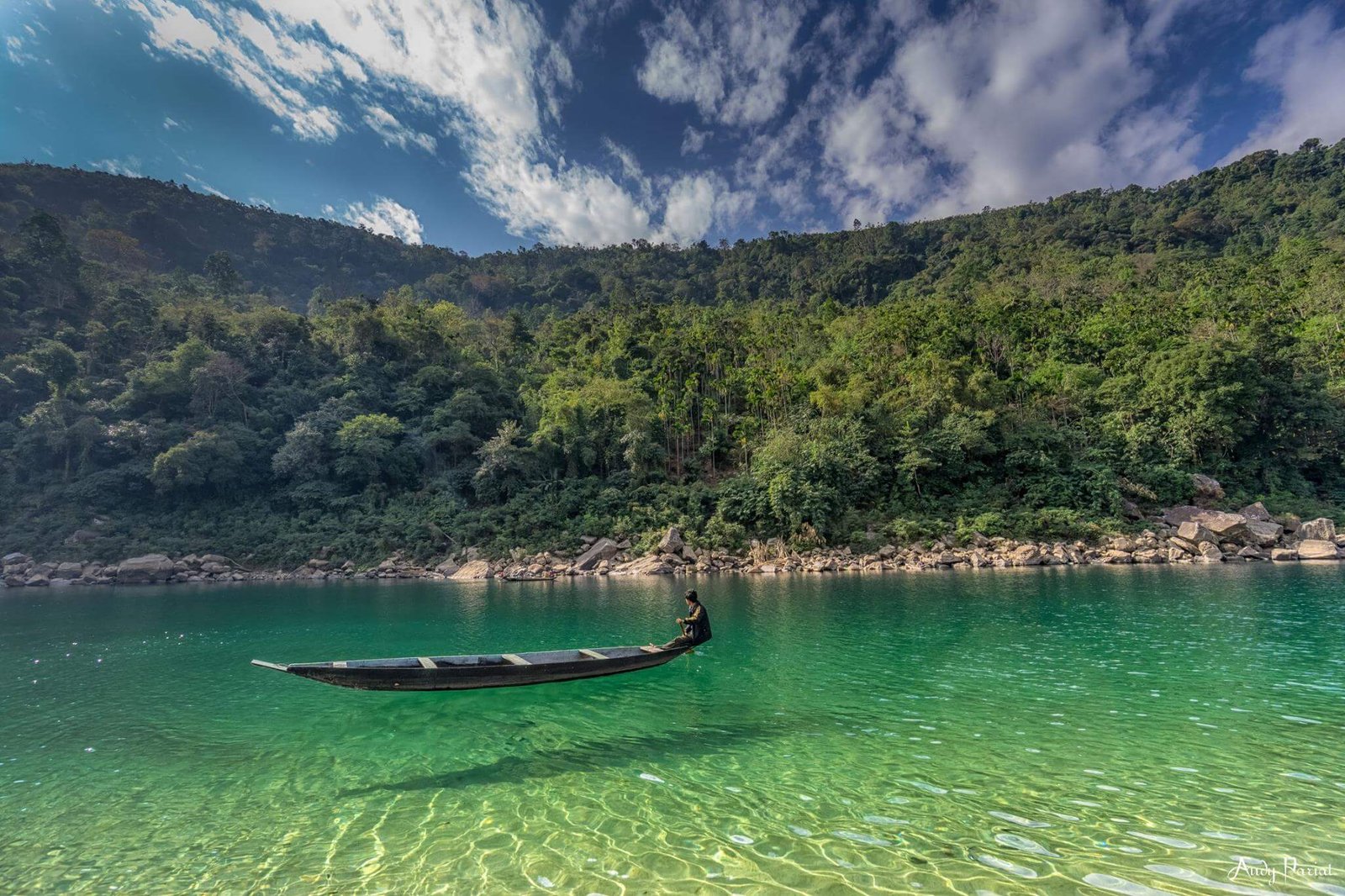
Uncharted Paths: Crafting Your Perfect Travel Blueprint

Introduction & Background
Travel is more than just moving from one place to another. It is an opportunity to explore, learn, and grow. Yet, without a clear plan, even the most exciting destinations can turn into chaotic experiences. Many travelers wander aimlessly, missing hidden gems and struggling with last-minute surprises. This is where crafting a perfect travel blueprint becomes essential. A well-designed travel plan acts as a roadmap, ensuring that every moment is meaningful and stress-free. Whether you are a seasoned globetrotter or a first-time explorer, having a structured approach to your journey can transform it from ordinary to extraordinary.
Concept & Overview
A travel blueprint is essentially a personalized plan that outlines your trip from start to finish. It includes destinations, activities, budgets, timelines, and contingency options. Unlike rigid itineraries, a flexible blueprint adapts to your preferences and unexpected changes. The core idea is to balance structure with spontaneity, allowing room for discovery without losing control. Key principles behind crafting such a blueprint include thorough research, realistic goal-setting, and prioritizing experiences over rigid schedules. By defining your travel style, whether adventurous, cultural, or relaxing, you can tailor the blueprint to match your desires.
Key Features & Highlights
- Destination Selection: Carefully choosing places that align with your interests and travel goals. Consider factors like climate, local culture, and accessibility.
- Activity Planning: Listing must-see attractions and unique experiences while leaving space for unplanned explorations. Mix popular spots with offbeat locations to create balance.
- Budget Management: Estimating costs for transportation, accommodation, food, and activities. Include a buffer for emergencies or spontaneous purchases.
- Timeline Creation: Designing a rough schedule that outlines your daily or weekly plans. Allow flexibility for rest, delays, or new opportunities.
- Transportation Logistics: Researching the best ways to get around, whether by plane, train, bus, or rental car. Book tickets in advance when possible to save time and money.
- Accommodation Strategy: Selecting lodging that fits your budget and comfort level. Consider options like hotels, hostels, Airbnb, or homestays based on your travel style.
- Local Insights: Gathering tips from locals or travel communities about hidden gems, safety tips, and cultural norms. This can enhance your experience significantly.
- Contingency Planning: Preparing backup options for unexpected situations, such as weather changes, cancellations, or health issues. This ensures peace of mind throughout your journey.
Frequently Asked Questions / Pros & Cons
What is the biggest advantage of having a travel blueprint?
Having a travel blueprint helps you maximize your time and resources while reducing stress. It allows you to focus on experiences rather than logistics, making your trip more enjoyable and meaningful.
Can a travel blueprint stifle spontaneity?
Not necessarily. While a blueprint provides structure, it should include flexible time slots and open-ended activities. The key is to balance planning with the freedom to explore unplanned opportunities.
Is it necessary to book everything in advance?
Booking in advance is recommended for popular attractions, transportation, and accommodations to secure the best prices and availability. However, leaving some plans open can lead to unexpected discoveries.
How detailed should a travel blueprint be?
The level of detail depends on your travel style. Some travelers prefer a day-by-day breakdown, while others opt for a rough overview with room for improvisation. The goal is to have a clear direction without feeling constrained.
What are the common mistakes to avoid when creating a travel blueprint?
Common pitfalls include overpacking your schedule, ignoring local customs, underestimating costs, and failing to research visa requirements. Always double-check details and leave room for adjustments.
Pros and Cons of a Structured Travel Blueprint
Pros:
- Reduces stress and last-minute decisions.
- Ensures you don’t miss must-see attractions.
- Helps manage budget and time efficiently.
- Provides a sense of control in unfamiliar places.
Cons:
- May feel restrictive to spontaneous travelers.
- Requires time and effort to plan thoroughly.
- Unexpected changes can disrupt carefully laid plans.
- Over-planning can lead to burnout or missed opportunities.
Practical Guidance & Solutions
The first step in creating your travel blueprint is to define your travel goals. Are you seeking relaxation, adventure, cultural immersion, or a mix of everything? Once you have a clear vision, start by listing your top destinations and activities. Use travel blogs, forums, and guidebooks to gather insights from fellow travelers. Next, set a realistic budget by breaking down expenses into categories like transportation, food, and lodging. Consider using budgeting apps or spreadsheets to track your spending.
When planning your itinerary, avoid cramming too many activities into a single day. Instead, aim for a balanced schedule that includes time for rest and exploration. Research local transportation options and book tickets early to avoid long lines or sold-out seats. For accommodations, consider staying in neighborhoods that are safe, well-connected, and rich in local culture. Don’t forget to check visa requirements and travel insurance to avoid last-minute surprises.
To add flexibility to your blueprint, leave a few days open for spontaneous adventures. This could mean exploring a nearby town, trying a new restaurant, or simply relaxing at a café. Connect with locals through social media groups or travel communities to get insider tips that aren’t in guidebooks. Finally, review your blueprint regularly and make adjustments as needed. The best travel plans are those that evolve with your experiences.
Conclusion
Crafting your perfect travel blueprint is not about creating a rigid itinerary. It is about designing a flexible roadmap that guides you toward unforgettable experiences. With careful planning and an open mind, you can navigate uncharted paths with confidence and joy. Remember, the goal is not to see every landmark but to create memories that last a lifetime. So pack your bags, trust your blueprint, and let the journey unfold. Safe travels and happy exploring!